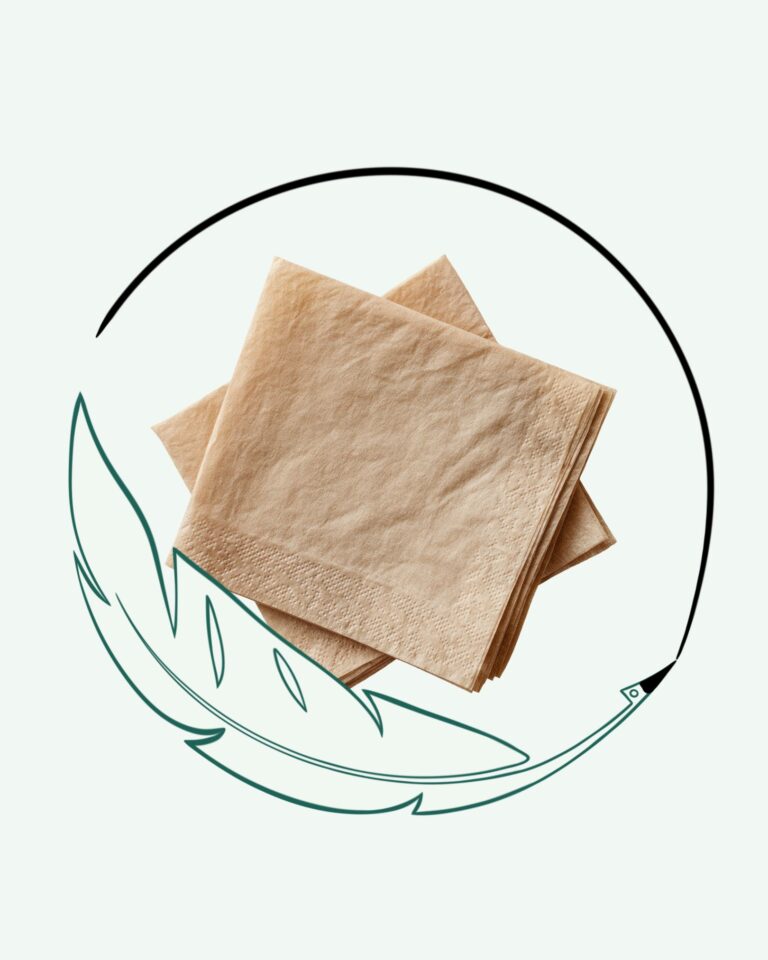
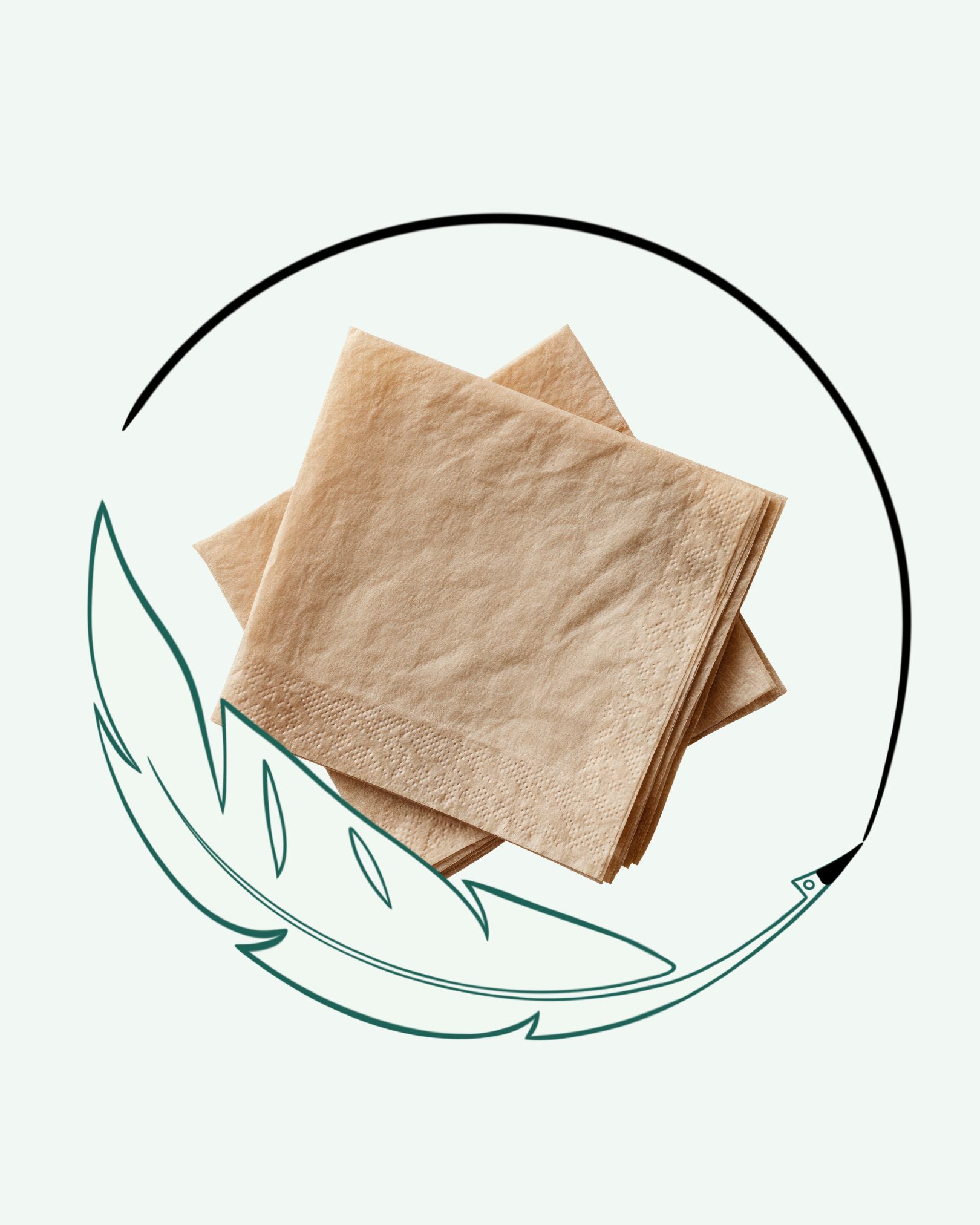
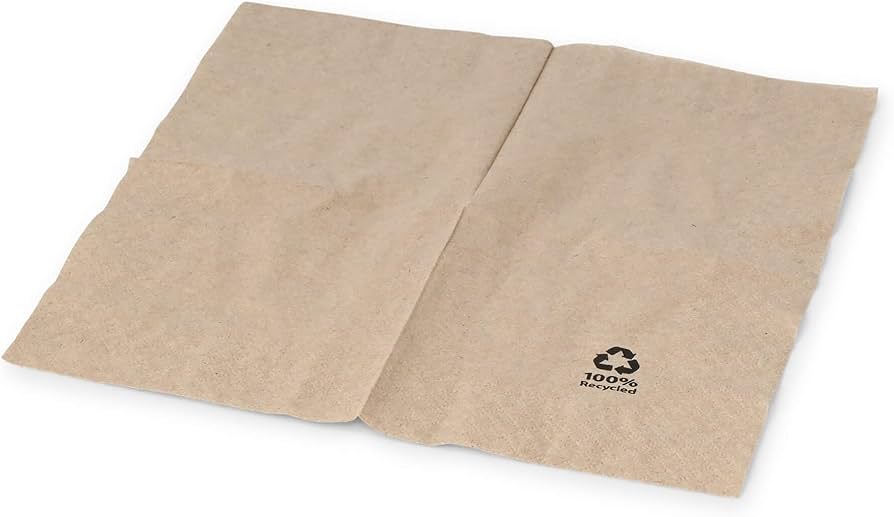
Recycled Napkins article will detail every stage of recycled napkins, from raw materials and production processes to environmental benefits and potential risks. Napkins, which we use frequently in our daily lives, often seem like an insignificant item. These disposable products, which we use without realizing it at the dinner table, in our bags, or in our children’s school bags, place a serious burden on the environment. Generating millions of tons of waste worldwide, napkins create sustainability problems in terms of forest resources and energy consumption. Recycled napkins stand out as an alternative solution to this problem.
Raw Materials for Recycled Napkins
Recycled napkins are produced from a variety of materials, primarily paper and cellulose waste. Used office paper, newspapers, magazines, and paper with printing errors are the most preferred raw materials in this process. Some manufacturers may also recover and use special types of paper, such as food packaging, in napkin production. The choice of these materials directly affects the durability and hygienic quality of the product. For example, newspaper paper undergoes special cleaning processes due to its ink content, while office paper is easier to process and offers high fiber quality.
The choice of raw materials also determines the environmental impact. Every ton of recycled paper saves approximately 17 mature trees, 26,000 liters of water, and 4,000 kWh of energy.* These figures concretely demonstrate the environmental benefits of recycled napkins. Furthermore, the recycling process reduces methane emissions by preventing paper waste from going to landfills, contributing to the protection of natural ecosystems.
However, there’s an important point that’s often misunderstood: Recycled napkins don’t simply mean used napkins are simply recycled back into napkins. When recycling is mentioned, people often think the product itself is directly transformed; however, separating and reprocessing used napkins is quite difficult, both for hygienic reasons and because their fiber structure deteriorates. Furthermore, these products are usually collected as mixed waste and not separated at the source. Therefore, recycled napkins are mostly produced from cleaner and more biodegradable paper waste such as office paper and newspapers.
The Pulp Transformation Process
After the raw materials are collected, the sorting process begins. Paper types are classified according to color and quality; plastics, metals, or other foreign materials are separated at this stage. Then, the papers are cut into small pieces and mixed with water to obtain paper pulp. At this stage, mechanical grinding and chemical processes are applied to remove ink and other contaminants from the pulp. This process, known as de-inking, is critical for the whiteness and softness of the napkin.
If the pulp is to be used in hygiene products, it undergoes sterilization and sanitization processes. Sanitation methods such as high-temperature steam treatment and hydrogen peroxide minimize the risk of microorganisms. These processes ensure that the napkins are both hygienic and maintain their textural quality. The fiber structure and water content of the pulp directly affect the durability and softness of the napkin.
Recycled Napkin Production Process
Sterilized paper pulp is pressed and thinned in special machines on the production line to form the napkin. The pressure and techniques applied at this stage directly determine the number of layers, thickness, and texture of the napkin. The subsequent drying process both increases the durability of the product and contributes to maintaining hygiene standards. The dried paper sheets are cut to the desired dimensions with high-precision cutting machines and folded to reach their final form.
Following production, the napkins undergo detailed quality control processes before packaging. These controls measure the softness, absorbency, durability, and hygiene level of the product. Compliance with ISO and similar international standards is an important criterion for manufacturers, and these certifications support the reliability of the product. It is also mandatory to keep the microorganism level below certain limits throughout the production process. In the final stage, the napkins are packaged to protect them from external factors and prepared for shipment.
Environmental Benefits, Potential Risks, and Limitations of Recycled Napkins
Recycled napkins play a significant role in reducing the environmental cost of single-use paper products. Every ton of recycled paper prevents deforestation, saves water and energy, and contributes to a reduction in carbon emissions. Furthermore, reintroducing paper waste into the economy makes waste management processes more efficient and reduces the amount of waste going to landfills. In this respect, recycled napkins stand out as one of the most concrete examples of the circular economy model in daily life. Consumers choosing these products is not only an individual choice but also an important behavior that contributes to the spread of sustainability awareness.
However, alongside all these advantages, recycled napkins also have some limitations and aspects that need attention. Even with the most advanced technology used, recycled paper products may contain low levels of chemical residues. Ink traces, adhesive residues, and certain chemicals, in particular, can cause reactions on sensitive skin. However, these risks are largely related to the quality of the production process. The type of raw material used, the cleaning and sterilization methods applied, and the hygiene standards of the production facilities play a decisive role at this point.
Incomplete or inadequate application of sterilization processes during production can increase the risk of microorganisms. Therefore, when choosing recycled napkins, it is crucial to select products that have been produced and certified according to specific quality standards. When the correct production conditions are ensured, recycled napkins offer both an environmentally friendly and safe alternative. In short, while these products offer a strong solution in terms of sustainability, potential risks can easily be minimized with conscious consumption and the right product selection.
Contact of napkins with the skin is a matter that requires attention, especially for sensitive skin. Scientific studies show that recycled paper pulp may contain low levels of chemical residues.* Therefore, caution should be exercised when using them on the face and sensitive areas. Choosing dermatologically tested and hygiene-certified products minimizes these risks.
Sustainable and Informed Choice
Recycled napkins are a significant alternative that reduces environmental impact and optimizes resource use. As we’ve seen in this article, they contribute to the circular economy by reducing the burden on nature at many stages, from raw materials to the production process. However, sustainability requires a holistic approach that encompasses not only environmental benefits but also human health. It’s important to remember that even with advanced technologies, recycled paper products may contain low levels of residue in some cases.
This is where conscious consumption becomes even more crucial. It’s often impossible to know the production processes, raw materials, or hygiene certifications of napkins used outside the home, in restaurants, cafes, or public spaces. Therefore, it’s beneficial to be more careful when using such napkins, especially when in contact with the face and sensitive areas. As a safer approach, using these products for general cleaning purposes and opting for reliable, certified products for sensitive areas offers a healthier balance.
In conclusion, recycled napkins can be both an environmentally friendly and safe alternative under the right production conditions. The real difference lies in the consumer making conscious choices. Sustainability is not just about protecting nature; It also means being able to make balanced choices while considering our own health.